
How Much Should You Budget for a Kitchen Remodel?
A realistic kitchen remodel budget in Milton can range from approximately $3,000 for a targeted refresh to $50,000 or more for a complete renovation. The right amount depends less on the kitchen’s size and more on the work involved.
Keeping the existing layout, cabinets, plumbing and electrical locations can make a major difference. On the other hand, custom cabinetry, premium countertops, appliance upgrades, structural changes and hidden repairs can quickly increase the cost.
From my experience working on kitchens in Milton, the most important budgeting rule is this: define the scope of work before choosing a number. A $15,000 budget may be reasonable for a cosmetic update, but it may not be enough for a complete kitchen renovation.
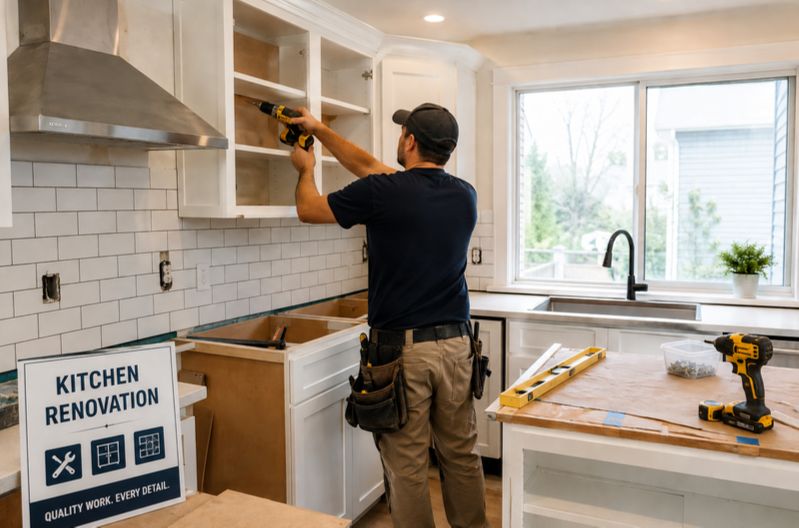
Typical Kitchen Remodel Costs in Milton
Kitchen renovations generally fall into three broad categories. These ranges are approximate because material choices, labour requirements and the condition of the home can vary considerably.
Minor Kitchen Updates: $3,000–$8,000
A minor kitchen update is usually suitable when the existing cabinets and layout are still functional but the room looks dated.
Typical work may include:
- Replacing backsplash tile.
- Installing a new countertop.
- Replacing the sink and faucet.
- Updating cabinet hardware.
- Installing new light fixtures.
- Adding or improving under-cabinet lighting.
- Repairing drywall.
- Painting walls, trim or existing cabinets.
- Replacing caulking and finishing details.
I have seen this type of work in older Milton townhomes and detached homes where the kitchen was usable but needed a visual update. Keeping the existing cabinet boxes, plumbing and electrical locations helps keep the project within a manageable budget.
A small kitchen can still become expensive if it requires custom cabinets, extensive electrical work or repairs behind the walls. However, a larger kitchen may be refreshed affordably when the main components are in good condition.
Mid-Range Kitchen Renovations: $10,000–$25,000
Mid-range renovations are among the projects I encounter most often. They involve more than a cosmetic refresh but do not necessarily require taking the kitchen back to the framing or replacing every component.
A typical mid-range renovation may include:
- New countertops.
- A new backsplash.
- Replacement or modification of some cabinets.
- Updated lighting and electrical components.
- New flooring.
- Sink and faucet replacement.
- Minor plumbing changes.
- Drywall repairs and painting.
- Improved trim, fillers and finishing details.
For example, a 2025 Milton townhouse project involved updating an older kitchen while keeping the basic plumbing locations. The homeowner wanted a more modern appearance without paying for a complete tear-out. Depending on the materials selected, the finished cost was in the mid-teens.
This type of project can provide a significant improvement in appearance and function without the cost and disruption of a full kitchen replacement.
Large or Full Kitchen Remodels: $25,000–$50,000 or More
A larger kitchen remodel may involve removing most or all of the existing kitchen and rebuilding it with new materials and infrastructure.
The scope may include:
- Demolition and disposal.
- New stock, semi-custom or custom cabinets.
- New countertops.
- Backsplash installation.
- Flooring replacement.
- New electrical circuits and receptacles.
- Updated lighting.
- Plumbing changes.
- Drywall repairs or replacement.
- Painting.
- Appliance upgrades.
- Wall removal or modification.
- Subfloor repairs or levelling.
I have worked around larger renovations in Milton detached homes where the kitchen was taken back close to the framing or subfloor. Once custom cabinetry, quartz or natural-stone countertops, layout changes and electrical or plumbing work are involved, the budget can increase very quickly.
A full renovation may be the right choice when the kitchen has serious functional problems or when the homeowners plan to stay in the property for many years. However, it should not be attempted without a detailed scope and a realistic contingency fund.
Kitchen Remodel Budget Breakdown
For a typical mid-range Milton kitchen renovation, I find it more useful to think in terms of major cost categories rather than assigning one fixed percentage to every project. The percentages can change substantially depending on the size, design and scope.
Cabinetry: 25%–35%
Cabinetry is often one of the largest expenses. Stock and semi-custom cabinets can help control the budget, while fully custom cabinetry can push the cost much higher.
Cabinet pricing may also include items homeowners do not initially consider, such as:
- Fillers.
- End panels.
- Crown moulding.
- Decorative panels.
- Cabinet hardware.
- Pull-out organizers.
- Special storage accessories.
- Delivery and assembly.
If the existing cabinet boxes are structurally sound and the layout works, painting, refacing or replacing the doors may be worth considering instead of installing completely new cabinets.
Countertops: 10%–15%
Countertop costs depend heavily on the material, edge profile, thickness, number of seams and complexity of the installation.
Laminate countertops are generally more budget-friendly. Quartz, granite and other premium surfaces can increase the cost considerably, especially when the design includes a large island, cutouts or unusual dimensions.
Before selecting a countertop, confirm whether the quote includes removal of the old surface, sink cutouts, backsplash details, delivery and installation.
Labour: 15%–25%
Labour can include much more than installing cabinets. Depending on the project, it may cover:
- Demolition.
- Disposal.
- Cabinet installation.
- Carpentry.
- Countertop preparation.
- Backsplash installation.
- Flooring.
- Drywall repairs.
- Painting.
- Trim and finishing.
- Caulking.
- Cleanup.
Homeowners sometimes budget for $8,000 worth of cabinets and countertops and forget that the materials still need to be removed, delivered, assembled, installed, levelled, trimmed and finished.
Electrical Work: 5%–10%
Electrical work may include new receptacles, switches, lighting, under-cabinet lighting, appliance connections and dedicated circuits.
Older Milton homes may require additional electrical work that is not obvious during the initial planning stage. Opening walls can reveal outdated wiring or other issues that must be addressed before the renovation can continue.
If the kitchen layout changes, the cost may increase further because receptacles, lighting and appliance circuits may need to be relocated or upgraded.
Plumbing: 3%–8%
A simple sink and faucet replacement is usually much less involved than moving the sink, dishwasher or water supply lines.
Plumbing costs can increase when:
- The sink moves to another cabinet.
- The dishwasher location changes.
- Water lines need to be extended.
- Drainage needs to be modified.
- Shutoff valves require replacement.
- Existing plumbing is damaged or outdated.
Keeping the main plumbing locations where they are is one of the most effective ways to control the budget.
Flooring: 5%–10%
Flooring costs include both the material and installation. The final price may increase if the existing floor must be removed or if the subfloor is damaged, uneven or requires levelling.
It is important to inspect the floor before ordering new cabinets. A new kitchen can be difficult to install correctly if the surface underneath is not reasonably flat and stable.
Appliances: 10%–20%
Appliances should usually be treated as a separate budget decision because homeowners have considerable control over the price range.
The appliance budget may include:
- Refrigerator.
- Range or cooktop.
- Wall oven.
- Dishwasher.
- Range hood.
- Microwave.
- Water or ice connections.
- Installation and delivery.
Premium appliances can consume a large part of the renovation budget. Confirm the appliance dimensions before ordering cabinets so that the design and installation work together.
Permits, Design and Miscellaneous Costs: 2%–5%
Permit and design requirements depend on the scope of work. A cosmetic refresh may involve little permitting, while structural, plumbing or electrical work may require permits and inspections.
Other miscellaneous expenses may include delivery fees, disposal charges, temporary kitchen equipment, material storage and additional finishing supplies.
Always confirm with the appropriate professionals and local authorities whether permits or inspections are required for the planned work.
Contingency: 10%–15%
I strongly recommend keeping 10%–15% of the renovation budget in reserve. This money should not be committed to upgrades at the beginning of the project.
Unexpected issues may include:
- Damaged drywall.
- Uneven floors.
- Subfloor damage.
- Outdated wiring.
- Plumbing problems.
- Additional demolition.
- Hidden water damage.
- Extra trim or finishing work.
- Material shortages or replacement costs.
If everything goes smoothly, the contingency fund can be used for a final upgrade. If an unexpected problem appears, it can prevent the project from stopping halfway through.
What Homeowners Often Underestimate
The most commonly underestimated costs are labour, preparation, demolition, disposal, electrical work and finishing details.
A kitchen renovation is not simply a matter of buying cabinets and countertops. The existing space may need to be prepared before anything new can be installed.
Demolition and Disposal
Removing old cabinets, flooring, drywall, backsplash and countertops can create more waste than homeowners expect. Disposal fees and labour should be included in the initial budget.
Demolition can also reveal problems that were hidden behind the old finishes. For example, removing a backsplash may expose damaged drywall, while removing flooring may reveal an uneven or damaged subfloor.
Finishing Details
Small finishing items can add several thousand dollars when combined. These may include:
- Cabinet fillers.
- End panels.
- Trim.
- Crown moulding.
- New hardware.
- Drywall repairs.
- Painting.
- Caulking.
- Outlet changes.
- Lighting adjustments.
- Floor transitions.
- Cleanup.
Each item may seem minor on its own, but leaving them out of the estimate can create an unpleasant surprise near the end of the project.
Hidden Work Behind Walls and Floors
Older homes do not always reveal their problems until demolition begins. Once walls and floors are opened, you may discover outdated wiring, damaged plumbing, moisture issues or surfaces that require additional preparation.
This is one reason I advise homeowners not to spend their entire budget on visible finishes before setting aside money for the work underneath them.
Two Milton Kitchen Remodel Examples
The following examples represent the types of kitchen projects I have handled or observed. They are not presented as exact contractor invoices, because the final price depends on the specific materials, labour and scope selected.
Milton Townhouse Kitchen Refresh in 2025
The homeowner had an older townhouse kitchen that was functional but looked dated. The initial thought was to replace the cabinets, but after reviewing the cabinet boxes and layout, it made more sense to keep the parts that were still in good condition.
The work included:
- Preparing and painting the existing cabinets.
- Installing new cabinet hardware.
- Replacing the countertop.
- Installing backsplash tile.
- Replacing the sink and faucet.
- Updating lighting.
- Repairing drywall.
- Painting the kitchen.
The plumbing and electrical locations stayed largely unchanged. The approximate budget was $12,000–$16,000, depending on the final material selections.
One challenge appeared after the old backsplash was removed. Some of the drywall needed repair before the new tile could be installed. It was a good example of why a contingency fund is necessary, even when the project initially appears straightforward.
The finished kitchen looked considerably more modern than the homeowner expected. The biggest savings came from keeping the existing layout and avoiding the replacement of perfectly serviceable cabinets.
Larger Detached-Home Renovation in Milton
Another type of project involved a detached Milton home where the homeowners wanted a much more substantial transformation. Their plan included new cabinets and countertops, backsplash, flooring, improved lighting, electrical upgrades and updated plumbing fixtures.
The initial budget was approximately $25,000–$35,000. However, the homeowners also wanted higher-end cabinetry, quartz countertops and upgraded appliances. Those choices created pressure on the budget, so the scope had to be monitored carefully.
Once the work began, some surfaces and infrastructure required more preparation than expected. Additional electrical and finishing requirements also became apparent after the kitchen was opened up.
Instead of automatically adding every possible upgrade, the homeowners reviewed their priorities. They decided which improvements were essential and which could be postponed. That helped keep the renovation under control while still delivering the larger, more modern kitchen they wanted.
The lesson from this project is that open walls do not mean every possible upgrade must be completed immediately. A renovation budget should remain connected to the homeowner’s priorities.
Common Kitchen Budgeting Mistakes
Setting the Budget Before Defining the Scope
Starting with a statement such as “We have $15,000 for the kitchen” is not enough. The budget means something different depending on whether the project includes new cabinets, flooring, electrical work, plumbing changes or a simple cosmetic update.
Before setting a final budget, decide what must be done, what would be helpful and what can remain.
Changing the Layout Without Understanding the Cost
Moving a sink, dishwasher, stove or electrical circuit can turn a straightforward renovation into a much larger project.
If controlling costs is important, keeping the existing plumbing and major electrical locations is often one of the most effective strategies.
Choosing Finishes Before Confirming the Full Budget
It is easy to select expensive quartz, custom cabinets, designer tile and premium appliances one at a time. The problem is that several upgrades can add thousands of dollars when combined.
Establish the complete budget first. Then decide which areas deserve the largest share of the money.
Starting Demolition Too Early
Demolition should not begin before the major materials have been selected, ordered and assigned delivery dates.
Cabinets, countertops, specialty appliances, tile and fixtures may have different lead times. Starting demolition before these items are confirmed can leave the homeowner without a usable kitchen for longer than expected.
Automatically Replacing Good Materials
If the cabinet boxes are structurally sound and the layout functions well, replacing everything may not be necessary.
Painting or refacing cabinets, installing new hardware, replacing the countertop, updating the backsplash and improving the lighting can sometimes create a dramatically different kitchen for much less money.
Choosing the Cheapest Quote Without Comparing the Scope
A low quote may not include demolition, disposal, drywall repairs, trim, delivery, installation or cleanup. Compare quotes line by line instead of looking only at the bottom-line number.
A quote that initially appears more expensive may actually provide better value if it includes more of the work required to complete the kitchen properly.
Budget Recommendations for Different Homeowners
Homeowners With a Tight Budget: $5,000–$10,000
For a homeowner with a limited budget, I would usually recommend a targeted refresh rather than trying to force a full renovation into an unrealistic amount.
Keep the existing layout and cabinets if they are structurally sound. Focus on improvements that create a noticeable difference:
- Paint.
- Cabinet hardware.
- Lighting.
- Backsplash.
- Countertop.
- Faucet.
- Sink.
- Flooring, if necessary.
A well-planned refresh can make a tired kitchen feel significantly newer without creating unnecessary construction costs.
Homeowners Preparing to Sell: $7,500–$15,000
If the goal is to sell the home, I would be selective about where the money goes. I would not normally recommend spending $25,000–$40,000 on a high-end kitchen simply because the existing kitchen looks dated.
The goal should be to make the kitchen clean, modern and appealing to potential buyers. Depending on the home’s value and condition, a practical improvement budget may be approximately $7,500–$15,000.
Priorities may include:
- Neutral colours.
- Good lighting.
- Updated hardware.
- A fresh countertop or backsplash.
- Repaired drywall.
- Fresh paint.
- Replacing visibly worn or damaged components.
A practical update may provide better value than luxury finishes that the seller may not fully recover.
Families Staying Long Term: $20,000–$40,000 or More
For a family planning to stay in a Milton home for 10 or 15 years, a larger investment may make sense when the kitchen genuinely needs it.
This is where I would be more willing to recommend:
- Better-quality cabinets.
- Durable countertops.
- Improved storage.
- Better task and ambient lighting.
- Electrical upgrades.
- More functional appliance placement.
- A layout that suits the family.
- Materials that can withstand daily use.
The focus should be functionality and durability rather than simply choosing the cheapest available renovation.
How to Create a Realistic Kitchen Budget
Before beginning the project, divide your plans into three levels:
- Must-have work.
- Would-like-to-have improvements.
- Luxury upgrades.
Get the must-have work priced first. If the budget allows, add the other improvements one at a time.
Also ask these questions:
- What bothers you most about the current kitchen?
- What absolutely needs to be replaced?
- What can realistically stay?
- Can the current layout continue to work?
- Are the cabinet boxes structurally sound?
- Are the plumbing and electrical locations suitable?
- Have demolition and disposal been included?
- Are material delivery dates confirmed?
- Is 10%–15% being held back for unexpected costs?
This approach helps match the project to the budget instead of allowing the renovation to determine the budget after work has already started.
Final Advice From a Milton Handyman
There is no single correct kitchen-remodel budget for every Milton homeowner. A $5,000 refresh may be the right decision for one home, while a $35,000 renovation may be justified for another.
The best ways to control the cost are to:
- Define the scope before setting the final budget.
- Keep the existing layout when it works.
- Repair problems before buying expensive finishes.
- Compare quotes based on the complete scope.
- Confirm material lead times before demolition.
- Spend money on features you will use every day.
- Keep 10%–15% available for surprises.
A successful kitchen renovation is not necessarily the one with the biggest budget. It is the one where the homeowner’s scope, budget and expectations match before the first cabinet comes out.
Sources