
How Much Does Bathroom Recaulking Cost?
Bathroom recaulking is one of those small maintenance jobs that can make a big difference in how a bathroom looks, feels, and performs. From a Milton handyman point of view, it is usually a fairly affordable repair, but the real value is not just in the fresh appearance — it is in protecting the bathroom from moisture problems and helping prevent more expensive damage later.
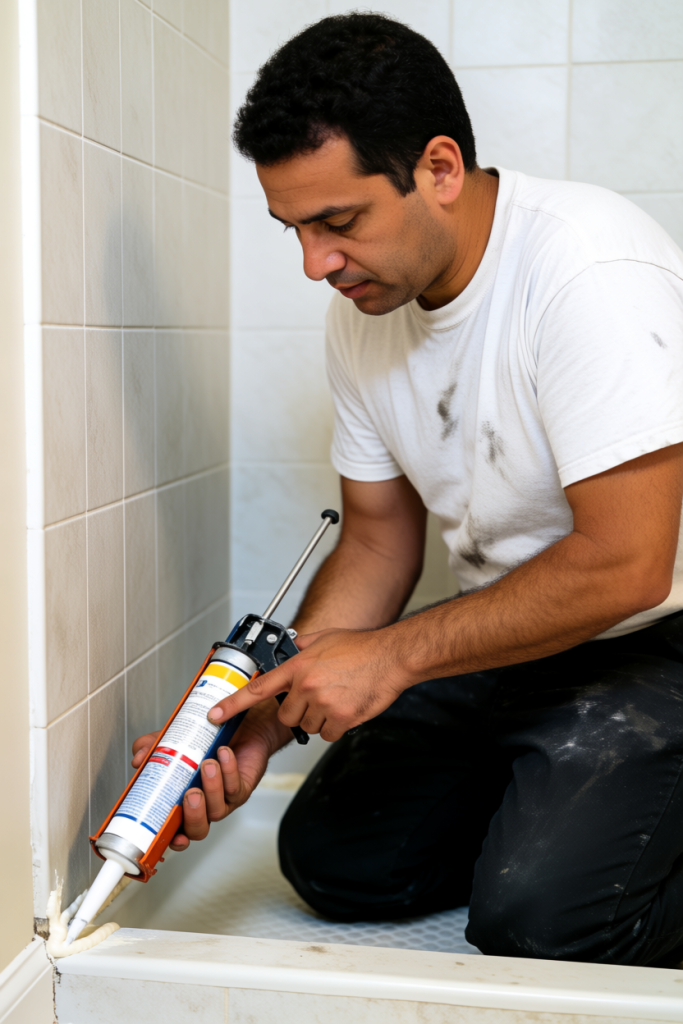
What Bathroom Recaulking Usually Costs
For most homes in Milton, bathroom recaulking typically falls in the range of $200 to $500, depending on the size of the bathroom, how much old caulk needs to be removed, and the condition of the surfaces underneath.
I usually price recaulking as a flat rate per job rather than strictly by linear foot. That is because homeowners are usually paying for the complete process, not just the amount of caulk applied. A proper recaulking job includes:
- Removing old failed silicone.
- Cleaning and preparing the surface.
- Applying new mildew-resistant bathroom-grade silicone.
- Leaving clean, finished lines.
Here are some typical pricing examples I would give homeowners:
- Bathtub surround or standard shower recaulking: around $200 to $350.
- Full bathroom refresh, including tub, shower corners, vanity or sink areas, and some base areas: around $350 to $500+.
- Larger showers with multiple seams, glass panels, or detailed tile work: $500 or more, depending on the prep required.
Why Pricing Can Vary So Much
The biggest factor in recaulking cost is not just how much caulk needs to be applied. It is how much work is involved in doing the job properly.
Amount of old caulk removal
A quick replacement is much cheaper than removing several layers of cracked, moldy silicone. If the old material is failing badly, removal takes more time and care.
Condition of the grout and surfaces
If grout is loose, damaged, or water has been getting behind the joints, that may need attention before new caulk is installed. A clean seal only lasts if the surrounding area is sound.
Type of bathroom materials
Natural stone, detailed tile patterns, and older fiberglass surrounds often require more care and time. Some bathrooms are simple and straightforward, while others need a more careful touch.
Accessibility
Tight shower corners, built-in benches, glass doors, and hard-to-reach areas can add labour time. The more awkward the space, the more time it takes to do the job neatly.
Why Professional Recaulking Is Worth It
A lot of homeowners think bathroom recaulking is just about running a bead of silicone along the edge. In reality, the quality of the job depends heavily on the prep work.
Many homeowners are not just looking for someone to “put on new caulk.” They want the old material removed properly and the surface prepared so the new caulk actually lasts. A cheaper job that skips preparation often ends up failing within months.
From my experience, professional recaulking is worth it because it can:
- Improve the look of the bathroom right away.
- Help prevent moisture from getting behind tile or tubs.
- Reduce the risk of mould and water damage.
- Extend the life of the bathroom without a major renovation.
Real Examples From the Field
One of the biggest benefits of bathroom recaulking is that it can catch small moisture problems before they turn into expensive repairs.
A failing shower seal that was letting water behind the wall
I worked on an older tiled shower in Milton where the silicone around the corners and bottom edges had started cracking and pulling away. At first, the homeowner thought it was just a cosmetic issue.
Once I removed the old caulk, I found areas where water had been getting behind the joints. The job involved removing all the failed silicone, thoroughly cleaning and drying the areas, checking the surrounding grout, and applying new high-quality bathroom silicone.
The recaulking itself was only a few hundred dollars, but it likely prevented a much larger repair involving damaged drywall, mould growth, or replacement of shower materials.
The lesson there is simple: cracked or separated caulk is not just an appearance problem. It is the bathroom’s first line of defence against water intrusion.
A bathroom refresh that helped avoid a bigger renovation
Another Milton homeowner was preparing to sell their home and noticed the bathtub area looked old and stained. The caulk had turned dark in places and was peeling, which made the bathroom look neglected.
Instead of replacing tile or doing a full renovation, we removed the old caulk, cleaned the joints, repaired a few small problem areas, and installed fresh white mildew-resistant silicone. The result made the tub surround look much newer and gave the bathroom a cleaner appearance for a fraction of the cost of a renovation.
That is the kind of job that shows how recaulking can be a smart maintenance choice, not just a cosmetic one.
Common Mistakes Homeowners Make
Caulking looks like a simple job, but there is a big difference between a quick fix and a proper waterproof seal. The most common problems I see usually come down to poor preparation and using the wrong materials.
Applying new caulk over old caulk
This is probably the most common DIY mistake. Homeowners often remove the loose pieces but leave behind old silicone residue, dirt, soap buildup, or mildew. New silicone does not bond properly to those surfaces, so it starts peeling away again quickly.
A proper job requires completely removing the old caulk, cleaning the area, and making sure the surface is dry before applying new material.
Using the wrong type of caulk
I often see general-purpose painter’s caulk or inexpensive acrylic caulk used in wet areas. Bathrooms need a quality 100% silicone bathroom caulk designed to handle constant moisture, temperature changes, and mildew resistance.
The wrong product may look fine for a short time, but it usually cracks, shrinks, or develops mould much faster.
Skipping surface preparation
The biggest difference between a professional-looking job and a messy one is preparation. The surface needs to be cleaned, dried, and sometimes repaired before caulking.
If there is loose grout, damaged drywall, movement between materials, or moisture behind the joint, simply adding more caulk is only covering up the real problem.
Applying an uneven bead
Many homeowners struggle with getting a consistent line. Too much caulk creates messy edges and can trap water, while too little may not properly seal the joint.
Professionals focus on creating the right-size bead and tooling it properly so water sheds away instead of sitting in corners.
Choosing the cheapest contractor
The lowest quote is not always the best value. I have seen inexpensive caulking jobs where the contractor simply added new silicone over existing material or skipped cleaning and prep work to save time.
Before hiring someone, ask:
- Will the old caulk be completely removed?
- What type of silicone product will be used?
- Will the area be cleaned and dried before installation?
- Are any underlying issues like damaged grout or water damage being checked?
When Recaulking Is Enough
Bathroom recaulking is a great solution when the problem is mainly a failed seal. It is not a fix for every bathroom issue, but it does solve a lot of common ones.
Recaulking is usually enough when:
- The existing caulk is cracked, peeling, discoloured, or pulling away from the tub, shower, or countertop.
- The grout lines are mostly solid, with no major cracks or missing sections.
- There are no signs of water damage behind the walls.
- The shower or tub area is structurally sound and the issue is mainly an aging waterproof seal.
For example, if a shower corner has old silicone that has separated after several years of use, removing it properly and installing new mildew-resistant silicone can restore the seal and extend the life of the bathroom.
When You Need More Than Caulk
One of the biggest mistakes I see is homeowners trying to solve a larger moisture problem by simply adding new caulk over it. Sometimes recaulking is the right answer, but sometimes it is only a temporary cover-up.
When grout repair may be needed
Grout repair may be needed when:
- Grout lines are cracked, crumbling, or missing.
- Water is getting through tile joints instead of just around the edges.
- There are loose tiles or movement in the shower walls.
- The grout has deep staining that does not clean up and may indicate moisture problems.
When re-tiling may be needed
Re-tiling or a larger bathroom repair may be needed when:
- Tiles are loose or falling away from the wall.
- The shower substrate behind the tile has been damaged.
- There are repeated leaks even after proper caulking and grout repairs.
- The waterproofing system behind the tile has failed.
When water-damage repair becomes the priority
Water-damage repair becomes the priority when:
- There are soft spots in drywall near the shower or tub.
- Paint is bubbling, peeling, or showing water stains.
- There is a musty smell that keeps returning.
- The area behind the wall has been exposed to ongoing moisture.
My approach in Milton is to inspect the area before recommending a solution. Sometimes a homeowner thinks they need a full bathroom renovation when a proper recaulking job will solve the issue. Other times, I have to explain that new caulk will only hide a problem that needs to be addressed properly.
My Advice To Homeowners
Bathroom recaulking is a small job that can have a big impact on protecting your home. The goal should not simply be to make the bathroom look cleaner for a few weeks, it should be to create a proper waterproof seal that lasts.
Before hiring someone, I would recommend asking a few important questions:
- Will the old caulk be completely removed before applying new silicone?
- Will the area be properly cleaned and dried first?
- What type of caulk or silicone product will be used?
- Will you check for signs of water damage, failing grout, or other issues before starting?
A rushed or bargain-basement job often focuses only on getting new caulk in place as quickly as possible. That usually means applying new silicone over old residue, skipping detailed cleaning, or using lower-quality materials. The result may look good on day one but can fail much sooner.
My approach is different because I treat recaulking as a maintenance repair, not just a cosmetic touch-up. I take the time to remove the old failed caulk, properly prepare the surface, inspect the surrounding areas, and apply a clean, professional finish. If I find a bigger issue, I explain it to the homeowner rather than simply covering it up.
For Milton homeowners, the best advice is simple: choose someone who focuses on the preparation behind the caulk line, not just the final appearance. A few extra minutes of proper prep can be the difference between a repair that lasts several years and one that needs to be redone within months.
Final Thoughts
If your bathroom caulk is cracked, peeling, stained, or separating from the surface, it is worth dealing with sooner rather than later. Bathroom recaulking is usually a relatively affordable repair, but when it is done properly, it can help protect your bathroom, improve the look of the space, and prevent moisture problems from turning into expensive damage.
A quality recaulking job is not just about silicone. It is about doing the prep work right, using the right materials, and making sure the seal is built to last.