
How to Choose the Right Door Lock for My Home
If you’re standing in the hardware store aisle staring at a wall of deadbolts, keypad locks, and smart locks, you’re not alone. As a Milton handyman who’s installed, replaced, and troubleshot door locks for over a decade, I’ve seen homeowners make the same mistakes again and again. The right lock isn’t about the flashiest features or the highest price tag. It’s about matching the lock to your door, your lifestyle, and your actual security needs.
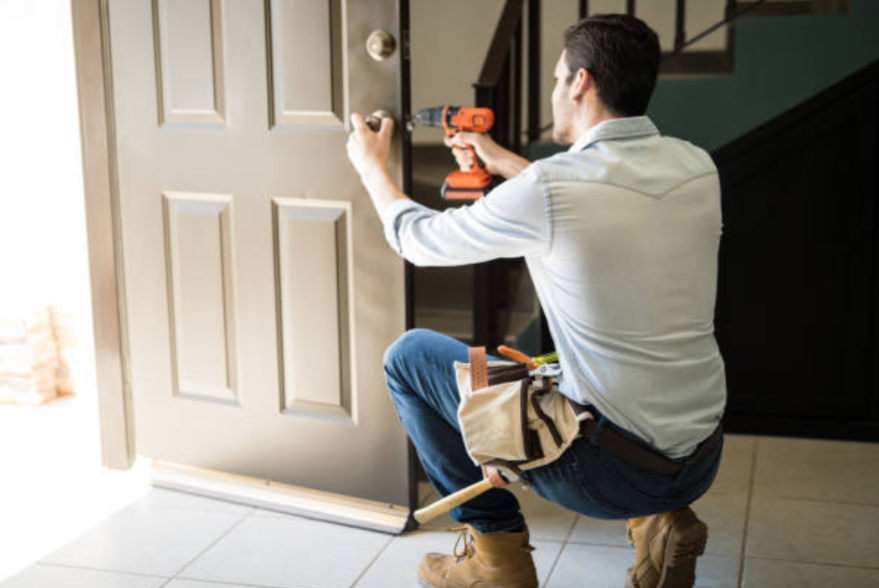
Start With the Door, Not the Lock
Before you even think about brands or budgets, inspect the door itself. In Milton, I work on everything from brand-new subdivision homes with perfectly aligned steel doors to older properties where the frame has shifted and the latch barely catches.
- If the door is warped, sagging, or doesn’t close smoothly, no lock will fix that. Address the door first.
- Check the existing bore hole size, backset (usually 2-3/8” or 2-3/4”), and door thickness. A lock that doesn’t fit physically is useless.
- Look at the strike plate and frame. Are the screws short and decorative? Is the wood around the strike cracked or splintered?
I’ve turned down jobs where homeowners bought a $250 smart lock only to realize their 1970s door needed planing, hinge tightening, and strike reinforcement before anything new would work properly.
Real Stories From Milton Homes: What Works (and What Doesn’t)
Case Study 1: The Busy Family Who Ditched Keys
One Milton homeowner came to me frustrated. Between school runs, work shifts, and extracurriculars, someone was always locking themselves out or hunting for spare keys. We skipped the traditional deadbolt and installed a quality keypad lock instead.
The result? Each family member got their own code. No more hidden keys under planters. No more midnight lockouts. The lesson here: convenience can be security. If your household has multiple users, a keypad eliminates key management headaches without sacrificing protection.
Case Study 2: The Old Door That Needed Love First
Another job involved an older Milton home where the existing deadbolt had become nearly impossible to turn. The door had settled over time, causing the bolt to grind against the strike plate. Instead of slapping on a new lock, I adjusted the hinges, planed the door edge slightly, and re-positioned the strike plate.
Then we installed a properly fitted Grade 2 deadbolt. The homeowner was shocked at how smoothly everything operated. Moral of the story: even the best lock fails if the door isn’t aligned. Don’t waste money on premium hardware until the foundation is solid.
My 5 Rules of Thumb for Choosing a Door Lock
After years of installations across Milton, these are the principles I live by:
- Fix the door before upgrading the lock. Warped doors, loose hinges, or misaligned frames will ruin any lock’s performance.
- Don’t overlook the strike plate and frame. Use 3-inch screws into solid framing. A strong lock means nothing if the strike pulls out under pressure.
- Choose convenience based on who uses the door. Families with kids? Keypad locks shine. Single occupants or low-traffic entries? Traditional deadbolts are often simpler and more reliable.
- Be cautious with smart locks on older or problematic doors. They require consistent alignment, battery maintenance, and compatible hardware. Solve mechanical issues first.
- Don’t automatically buy the most expensive lock. A well-installed $60 deadbolt beats a poorly fitted $300 smart lock every time.
Brands I Recommend (and Avoid) in Milton
I stick with established brands because consistency matters. Here’s what I reach for most often:
Schlage
- Best for: Exterior doors needing durability and clean design.
- Top pick: Schlage Encode keypad or smart lock for modern homes with good alignment.
- Why: Solid internal components, smooth operation, and reliable finishes that hold up in Ontario weather.
Kwikset
- Best for: Budget-conscious homeowners who still want quality.
- Top pick: Kwikset SmartCode keypad series for rental units or secondary entrances.
- Why: Good value, easy to rekey, and widely available parts if repairs are needed.
What to Avoid
- Cheap no-name locks from big-box stores. Yes, they’re $15. But the internal mechanisms wear fast, the finishes chip, and the fit is often inconsistent.
- Overly complex smart locks on doors that stick or require force to close. You’ll end up replacing batteries constantly, or worse, getting locked out.
Price Ranges That Make Sense
- Traditional deadbolt (Grade 1 or high-quality Grade 2): $40–$100
- Keypad lock: $70–$150
- Smart lock with app control: $150–$300+
Remember: installation costs extra if your door needs adjustments. Factor that in before you checkout.
The One Thing Every Milton Homeowner Should Know Before Buying
Here’s my biggest piece of advice: Don’t buy a lock until you’ve checked the door and measured the existing hardware.
Too many homeowners assume all locks fit all doors. They don’t. Bore holes vary. Backsets differ. Door thicknesses change between eras and manufacturers. And in older Milton homes, previous DIY attempts may have enlarged holes or stripped screw mounts.
Also, remember this: the lock is only one part of your entryway’s security system. If the frame is weak, the strike plate is loose, or the door doesn’t latch cleanly, upgrading the lock won’t help much.
Finally, watch out for hidden costs. What looks like a simple swap can turn into a mini door-repair project if the new hardware doesn’t align with old holes or if the door has shifted over time.
My rule? Measure twice. Inspect the door first. Then buy the lock. It saves money, frustration, and a second trip to the store.
Final Thoughts: Security Starts With the Right Fit
Choosing the right door lock isn’t about chasing the latest tech or spending the most. It’s about understanding your door, your household, and your daily habits. Whether you go with a simple deadbolt, a keypad for convenience, or a smart lock for remote access, make sure it’s matched to your door’s condition and installed correctly.
If you’re in Milton and unsure where to start, consider calling a local handyman for a quick assessment. Sometimes the best investment isn’t a new lock, it’s making sure your current door is ready for one.